Can a foreigner buy property in Cuba? Let’s answer it the way we’d want it answered: directly. As of 2026, a foreign national without Cuban citizenship generally cannot buy a home on the island — and the exceptions are exactly where it gets interesting.
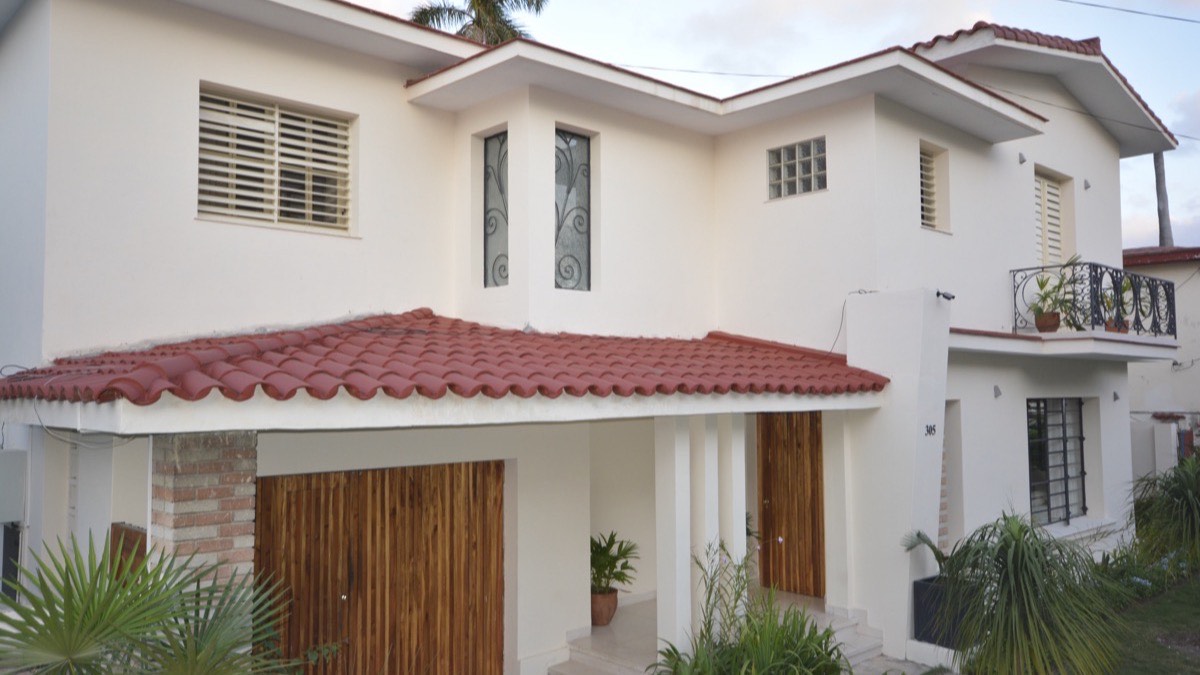
As of 2026, a foreign national without Cuban citizenship generally cannot buy a home in Cuba. Residential property transactions have been legal since 2011 — but between Cuban citizens and permanent residents. The colonial house in Habana Vieja you fell in love with can be owned by a Cuban (including a Cuban living abroad — more on that in a moment), not by a foreign passport holder directly.
That’s the rule. Now the nuances, because they matter.
First: the diaspora door is open. Cuban citizens living abroad can buy, own and inherit property on the island. If you or your spouse holds Cuban citizenship — even alongside another nationality — the market is open to you, and the process is more manageable than folklore suggests: due diligence, notarized contracts, registration. Our Havana legal desk walks clients through the entire chain.
Second: the project exception. Cuba has long earmarked government-approved developments aimed at international buyers — resort residences tied to golf courses and villa parks, structured so that foreign purchasers can hold real rights in approved projects. Several such projects around Havana’s beaches and the western coast have been announced over the years, moving at Cuban speed: slowly, then occasionally all at once. When units in approved developments come to market, buyers with prepared paperwork and funds move first. We keep a private list of clients who want that call.
Third: the direction of travel. Cuba’s housing deficit is significant and public; the state has strong reasons to attract external capital into construction. Recent reform packages have signalled more openness to private and diaspora investment. A draft housing law working through the system would modernize the framework — notably capping ownership at two properties per person and, importantly for emigrants, ending the old confiscation-on-emigration rules, so Cubans who leave keep what they own. None of this hands foreigners a general right to buy tomorrow. It does tell you which way the wind blows.
Our honest advice: if you’re a foreign national dreaming of a Cuban address, the realistic 2026 paths are (a) marriage to the market via a Cuban co-owner you deeply trust, legally structured; (b) patience aimed at the approved-project pipeline; or (c) enjoying the island’s finest homes the uncomplicated way — renting them, spectacularly, which happens to be our specialty.
Laws change, and specifics matter enormously. Before any decision, get current, case-specific legal advice — ours is one message away.
This article is general information, not legal advice. Regulations are verified at the time of writing and change; we confirm current rules for every client individually.
Want to buy property in Cuba? Your realistic next steps
If you hold Cuban citizenship — even alongside another passport — the market is open to you today, and our For Sale desk manages the whole chain from due diligence to registration. If you don’t, the honest play is preparation: get on the list for government-approved projects (golf residences, villa parks), keep your paperwork and funds ready, and watch the reform signals we track from Havana.
And while the law catches up with your plans, remember that you can already live in the island’s finest homes the uncomplicated way: renting them, spectacularly. Many of our long-stay guests are exactly this — future buyers doing very comfortable research. Questions about how to buy property in Cuba for your specific case? One message to our Havana desk and you’ll have a straight answer very soon.
Further reading: Gaceta Oficial.



Join The Discussion